Search by topic
- archaeology
- Building of Local Interest
- chapel
- charity
- church
- crime
- dressmaker
- fire
- Great Eastern Railway
- Listed building
- Mapping Relief
- medieval
- oral history
- poverty
- Public House
- Religious House
- Roman
- scholar
- school
- Then and Now
- tudor
- women
- work
- world war one
- world war two
Search by text
Cathedral of the Holy Trinity, Ely
History of Rattee and Kett, Cambridge
Listed Building
The Cathedral of the Holy Trinity was begun in 1083 by Simeon, a Kinsman of William the Conqueror and was virtually completed in its present form by 1350 after which no further major building took place. The nave and transepts have exceptionally fine C12 work, the chancel and west porch are C13 and the central crossing, lantern and the Lady Chapel are C14. The inner porch has some C15} work. Considerable restoration work was done by Sir Gilbert Scott in the mid C19.
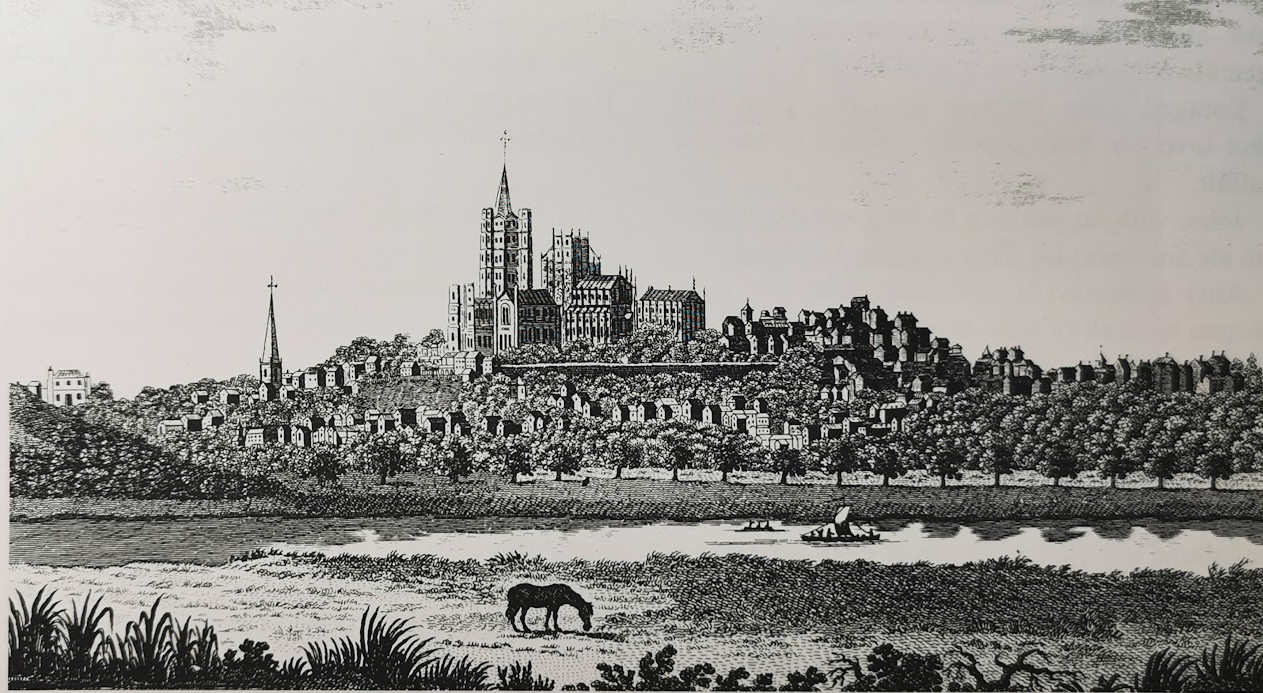
Ely, 18th century (Cambridgeshire Collection)
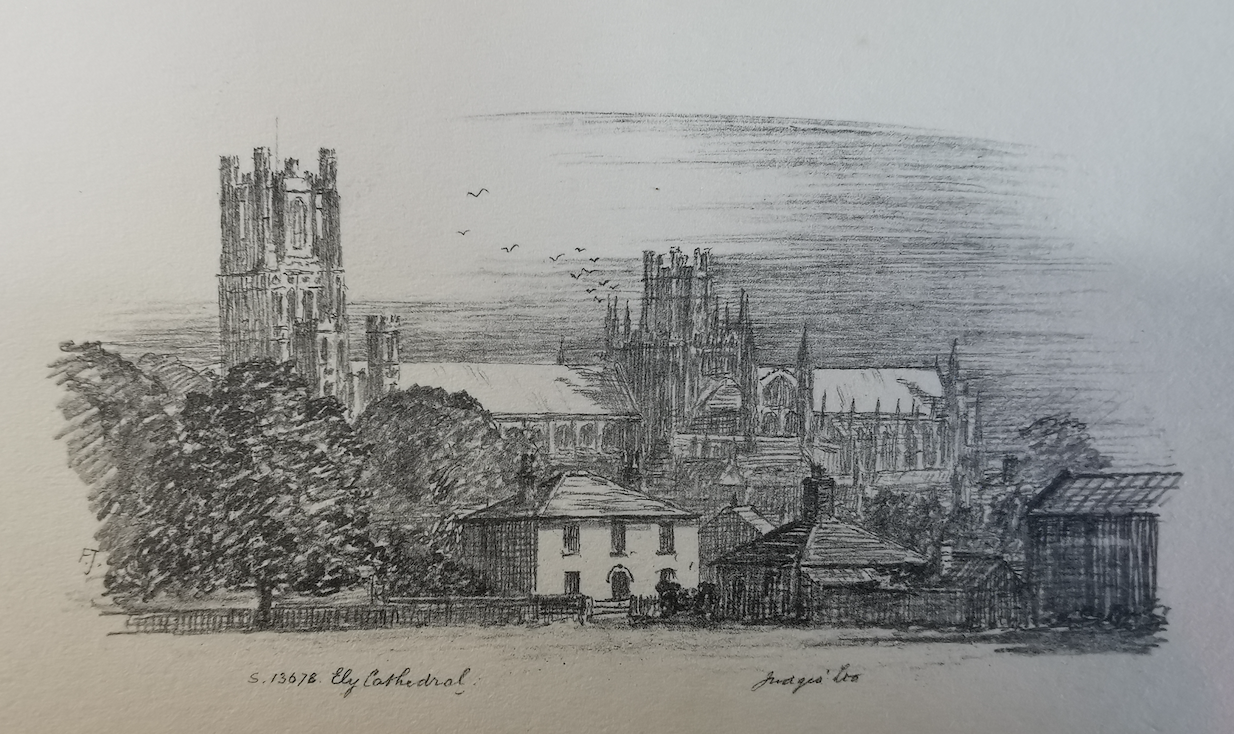
Ely Cathedral
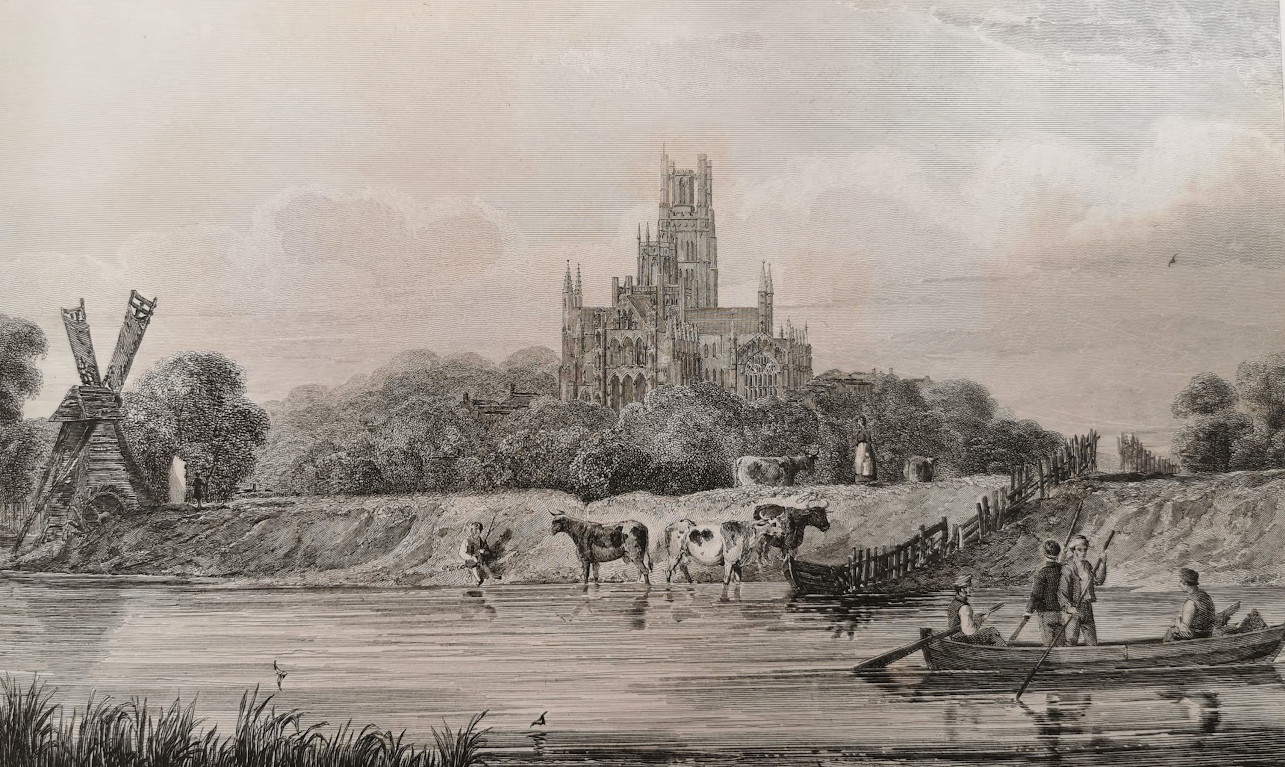
Ely Cathedral, Harraden 1830
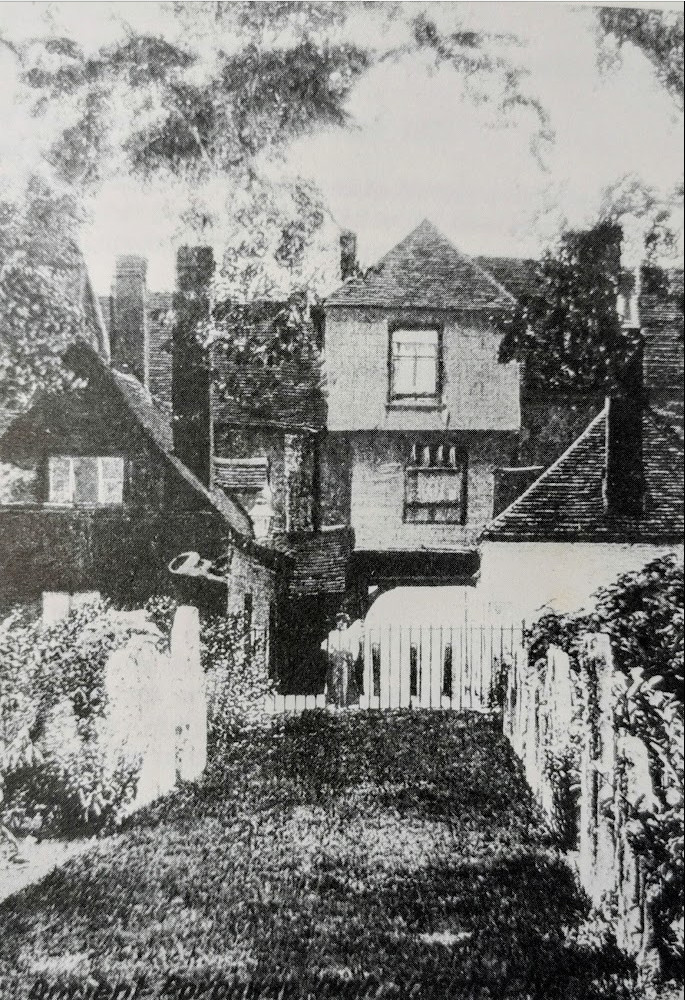
Steeple Gate entrance to burial ground next to Cathedral, Ely
The graveyard here became very congested after the cholera epidemic of 1832.
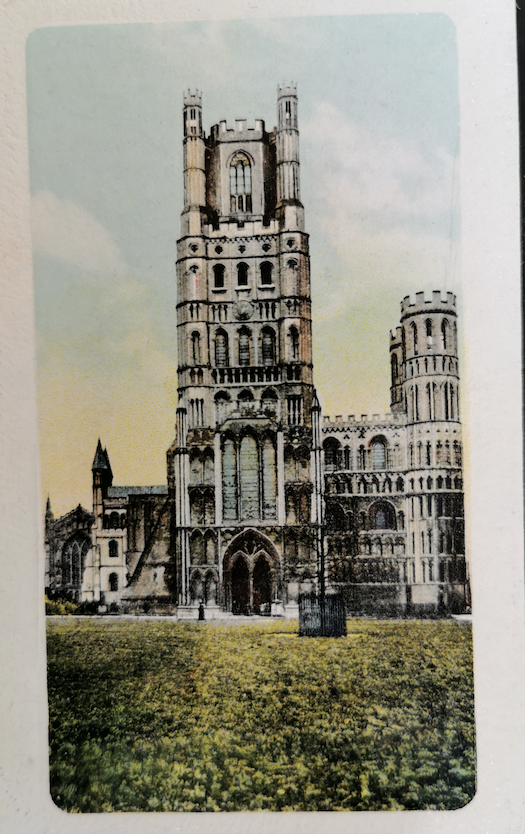
Ely Cathedral
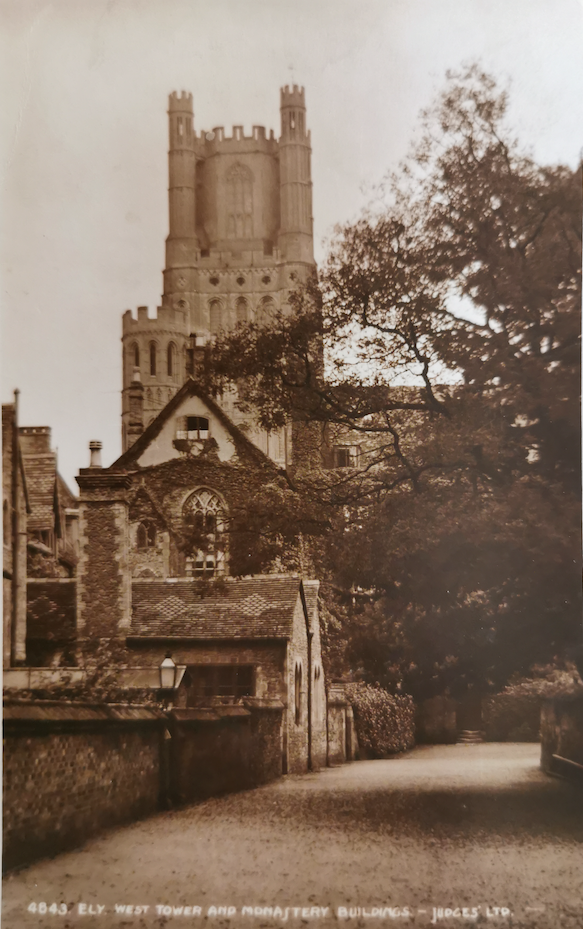
Ely West Tower and Monastery Buildings
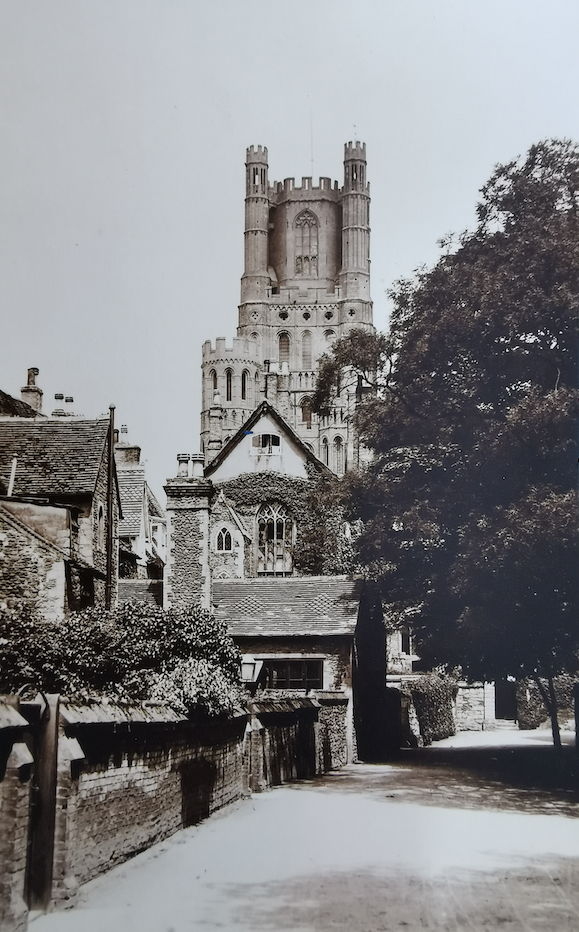
Ely Cathedral
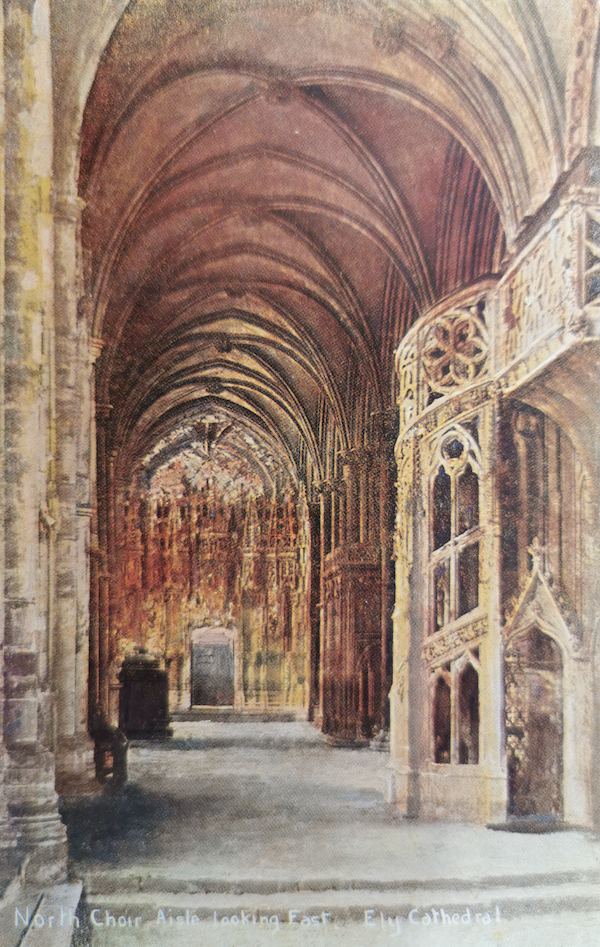
North Choir Aisle looking east, Ely Cathedral
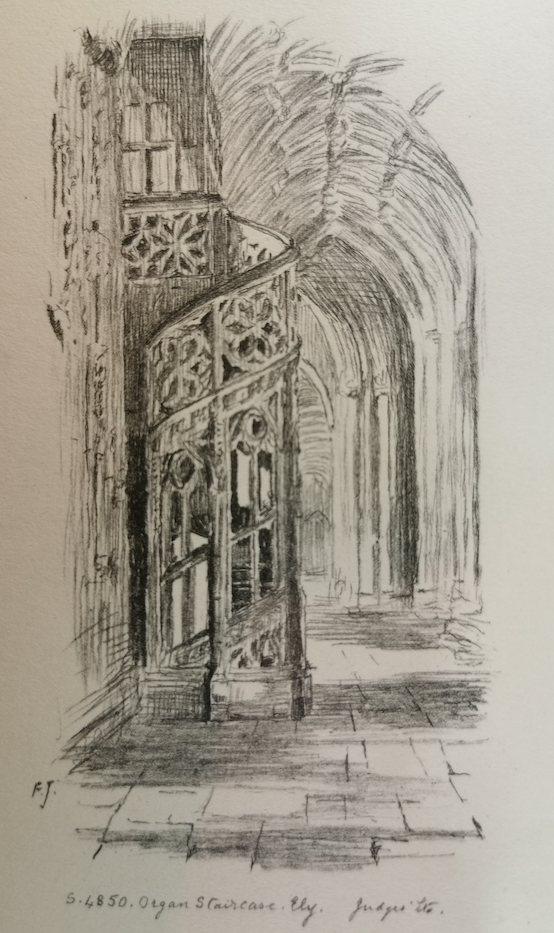
Organ Staircase, Ely Cathedral
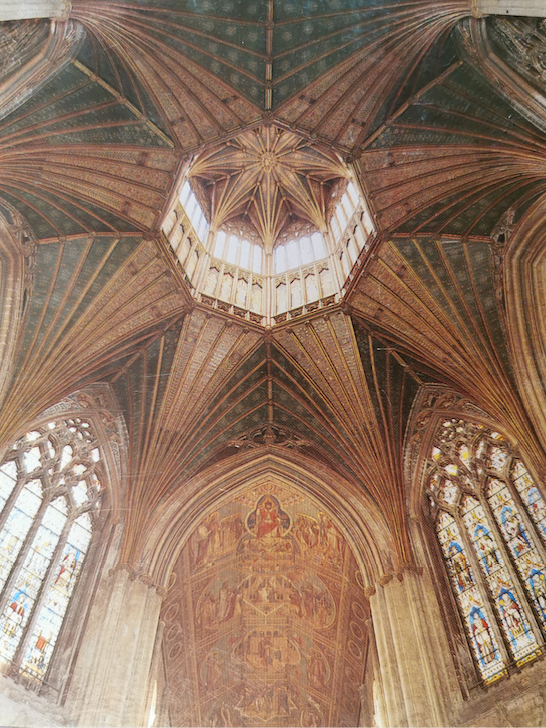
The Lantern, Ely Cathedral
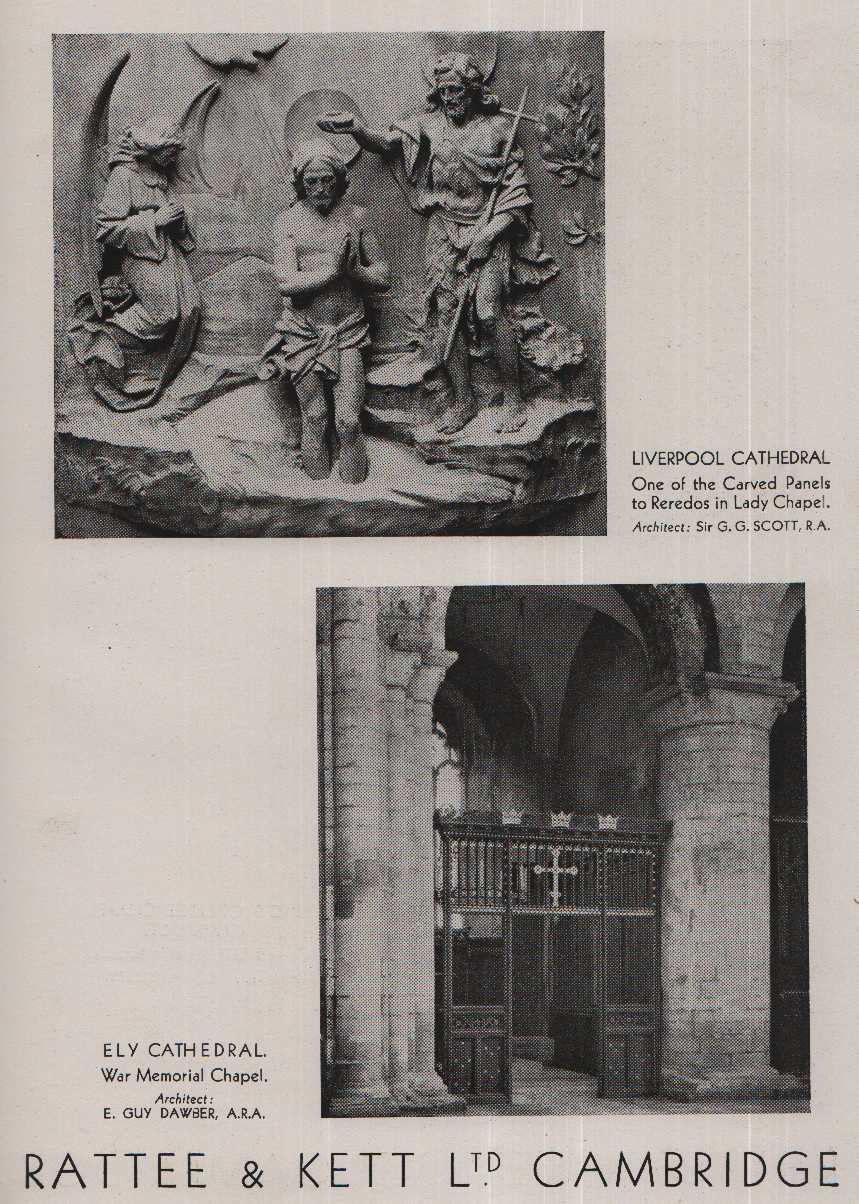
The Cambridge based firm of Rattee and Kett were associated with Ely Cathedral for 150 years.
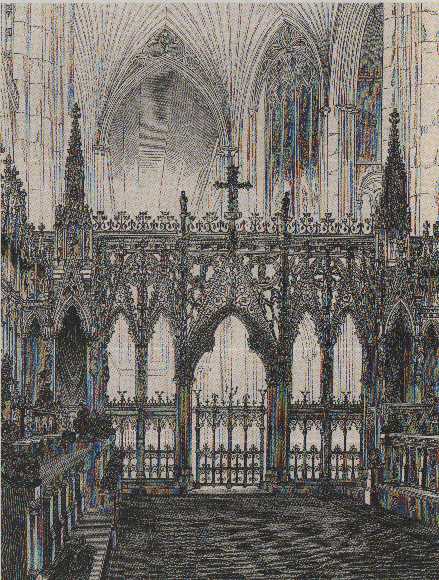
One of James Rattee’s most celebrated pieces of carving was the screen at Ely Cathedral, documented in Volume IX No 441 of ‘The Builder’.
The reredos was created in 1857 under the direction of Sir George Gilbert Scott and John Birnie Philip.
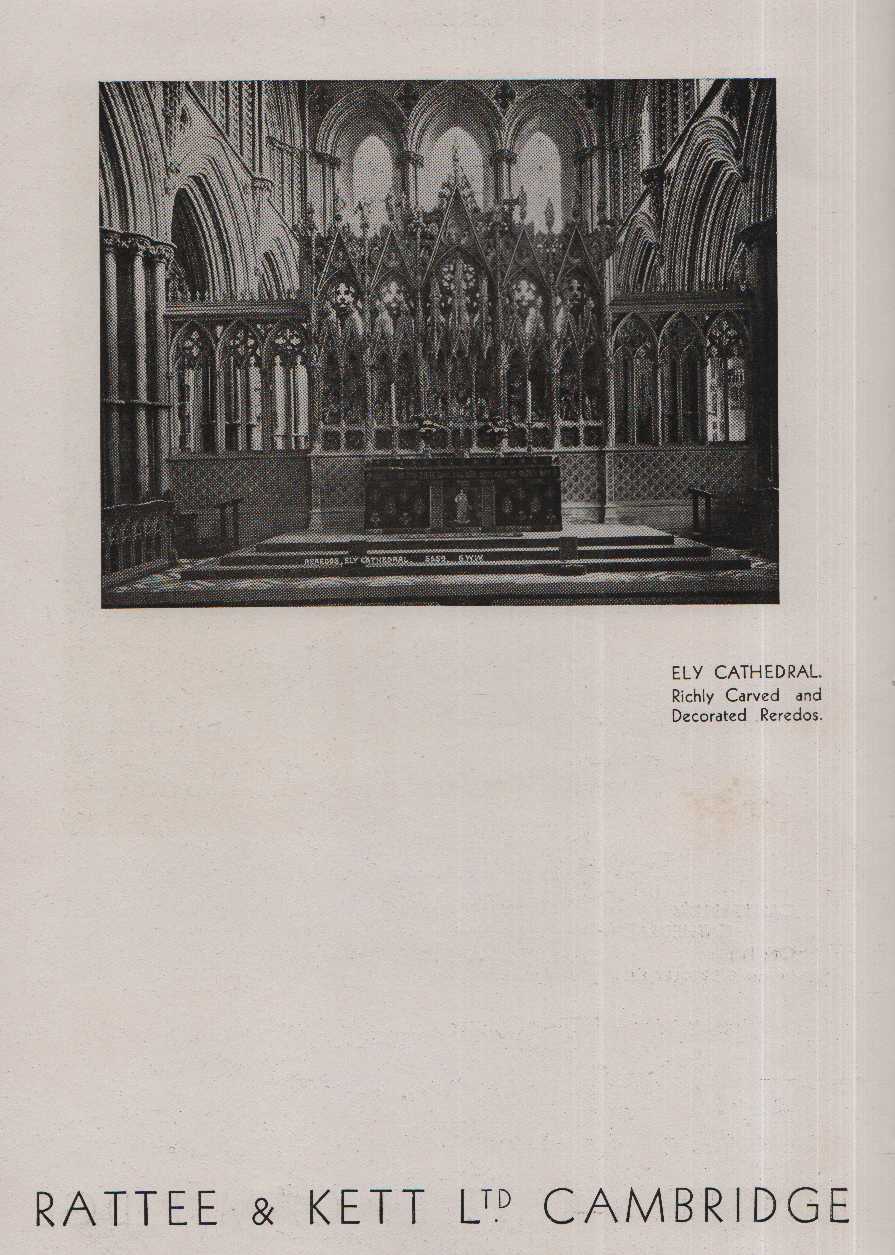
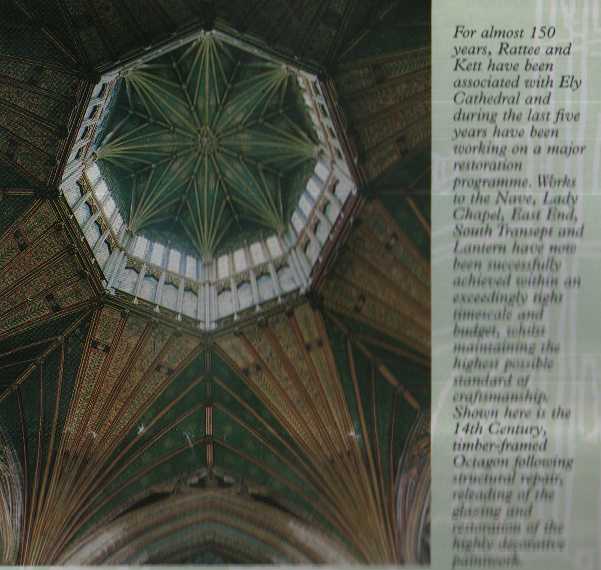
At the end of the 1980s they were involved in a major restoration programme of works to the Nave, lady Chapel, east End, South Transept and Lantern. The 14th century timber framed octagon received structural repairs while the glazing was releaded and the decorative paintwork restored.
A BBC East film about the restoration in 1987 by Rattee and Kett can be seen here:
http://www.eafa.org.uk/catalogue/5609
1938
Then and Now (David Gent) – Two Queens at Ely Cathedral during a visit on 21st January 1938.
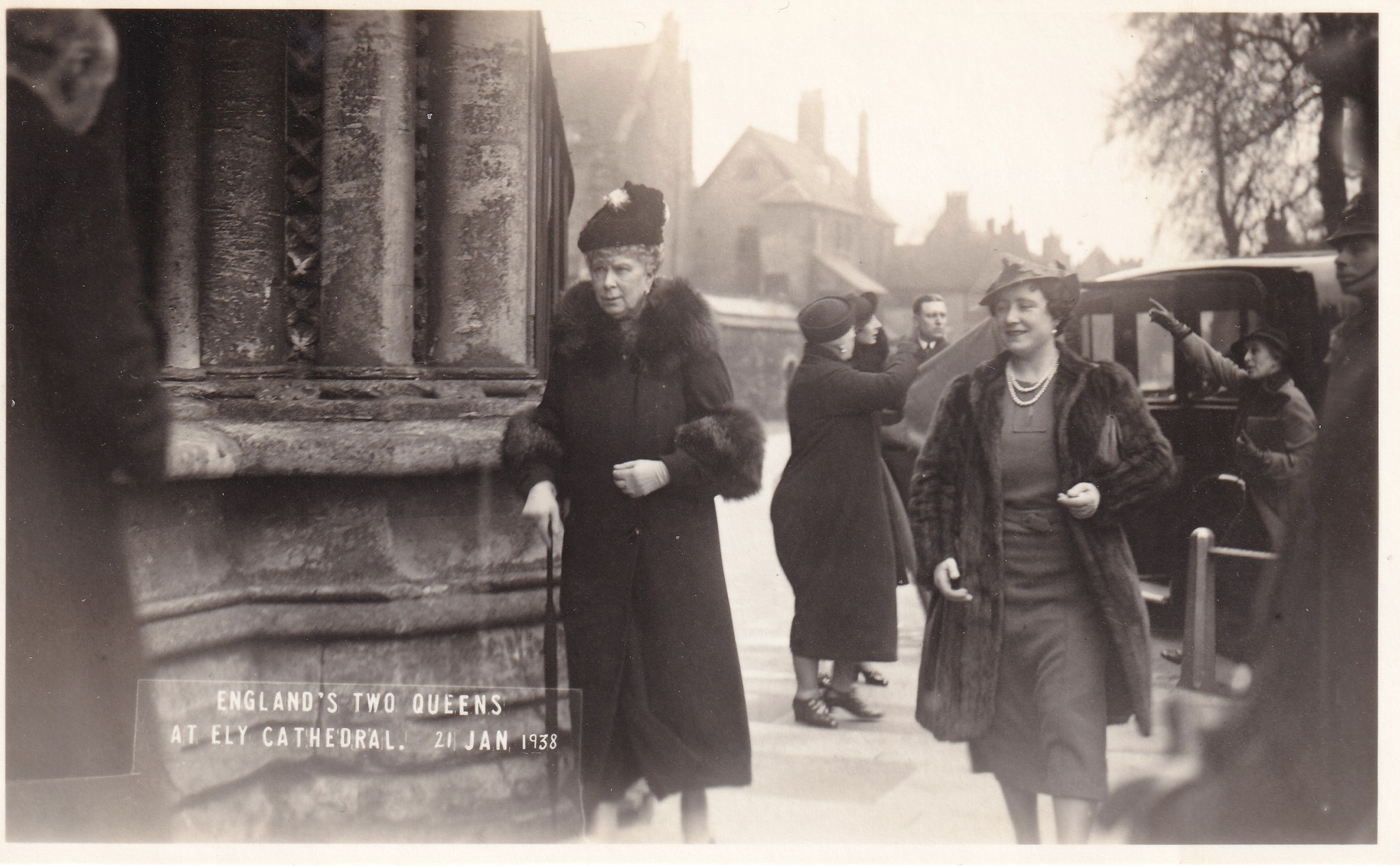
1938 – two queens at Ely Cathedral 21st January 1938
Ely Cathedral has a long history of visits by members of the Royal family. On the right is Elizabeth Angela Marguerite Bowes-Lyon, Queen of the United Kingdom and the Dominions of the British Commonwealth from 11 December 1936 to 6 February 1952 as the wife of King George VI, later to become known as the Queen Mother. On the left is Mary of Teck (Victoria Mary Augusta Louise Olga Pauline Claudine Agnes; Queen of the United Kingdom and the British Dominions, and Empress of India, from 6 May 1910 until 29 January 1936 as the wife of King-Emperor George V. She was the mother of kings Edward VIII and George VI.
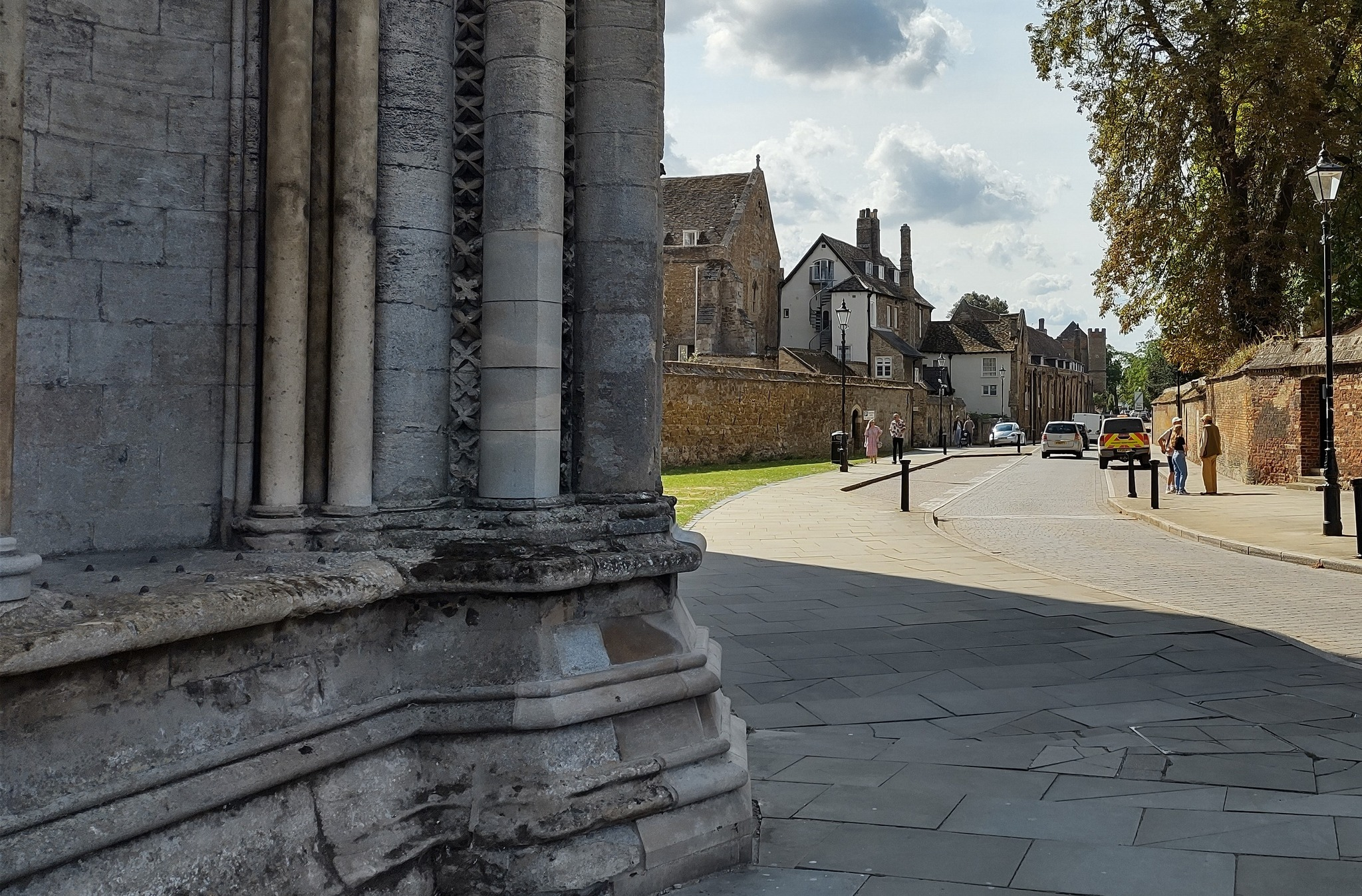
Ely Cathedral (photo DG 2022)
The second picture taken a couple of weeks ago shows the same view minus people.
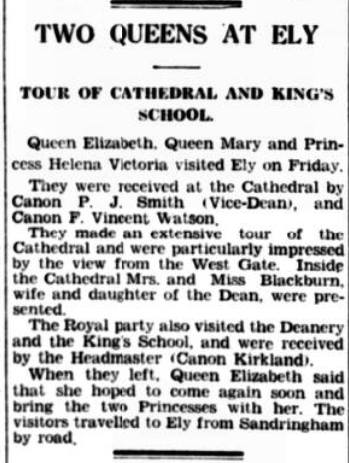
Peterborough Standard 28th Jan 1938
Third picture is a newspaper report of the visit published in the Peterborough Standard on the 28th January 1938
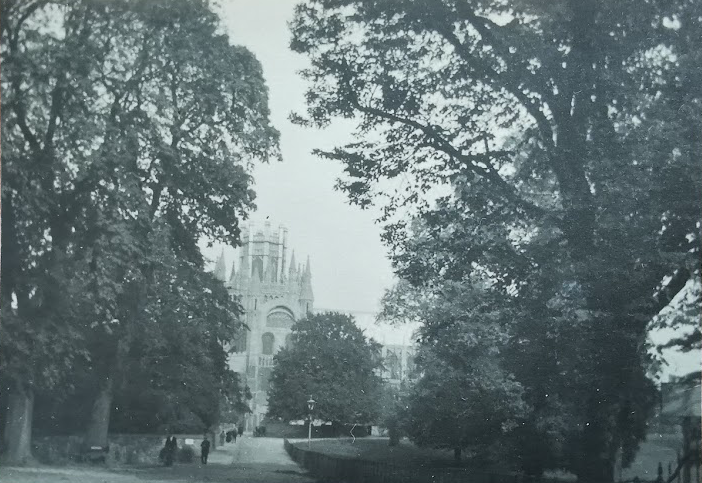
Ely Cathedral (MoC437/56)
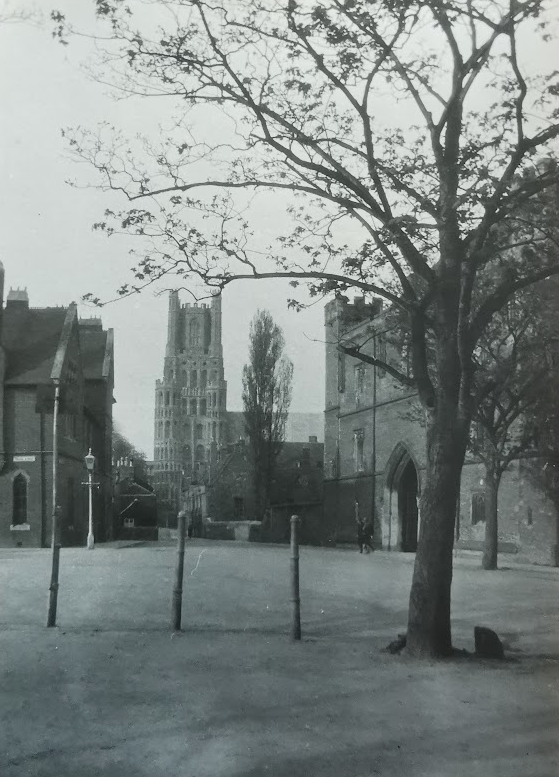
Ely Cathedral (MoC443/56)
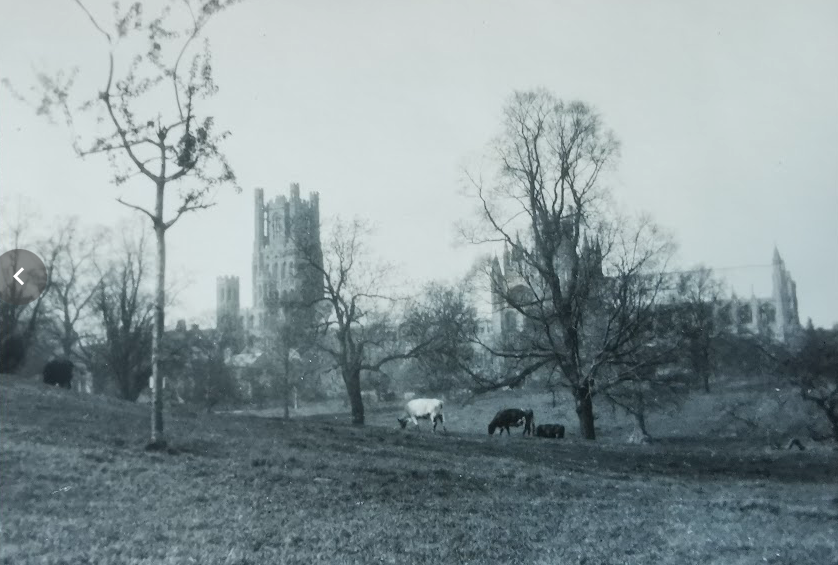
Ely Cathedral Easter 1927 (MoC437/56)
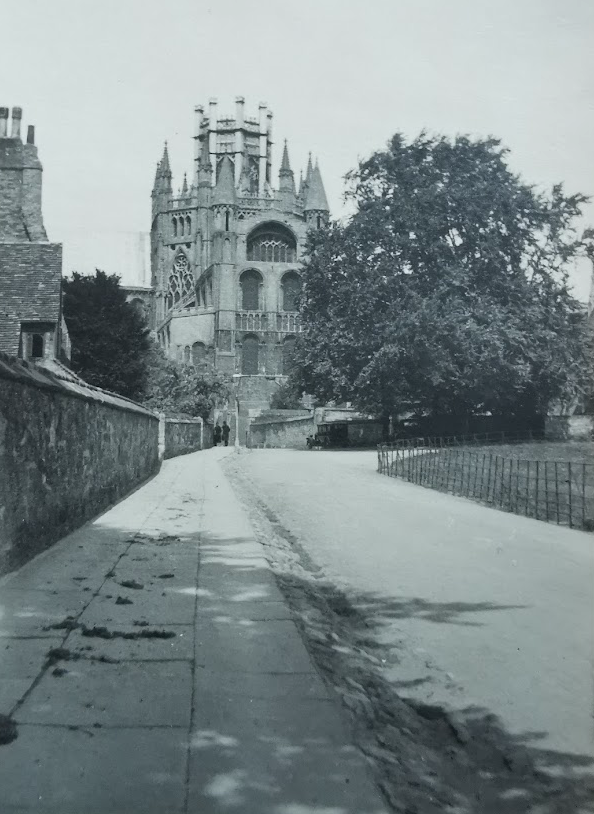
Ely Cathedral Lantern (MoC4335/56)
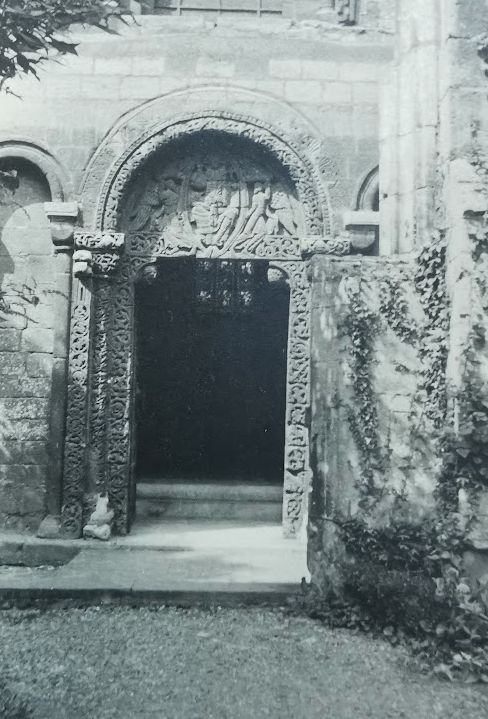
Prior’s Doorway, Ely Cathedral June 1933 (MoC434/56)
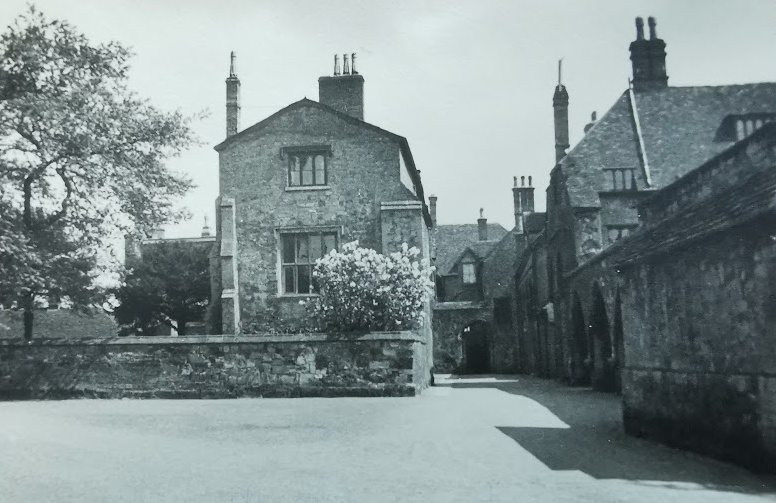
Infirmary, Ely Cathedral 1934 (MoC437/56)
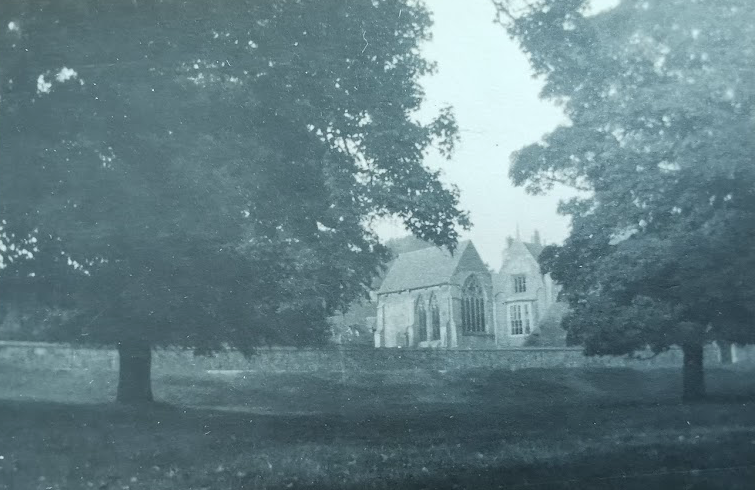
Ely Cathedral (MoC445/56)
1959 21st June – Dedication of the Roll of Honour of The Cambridgeshire Regiment in the presence of The princess Margaret, Colonel-in-Chief
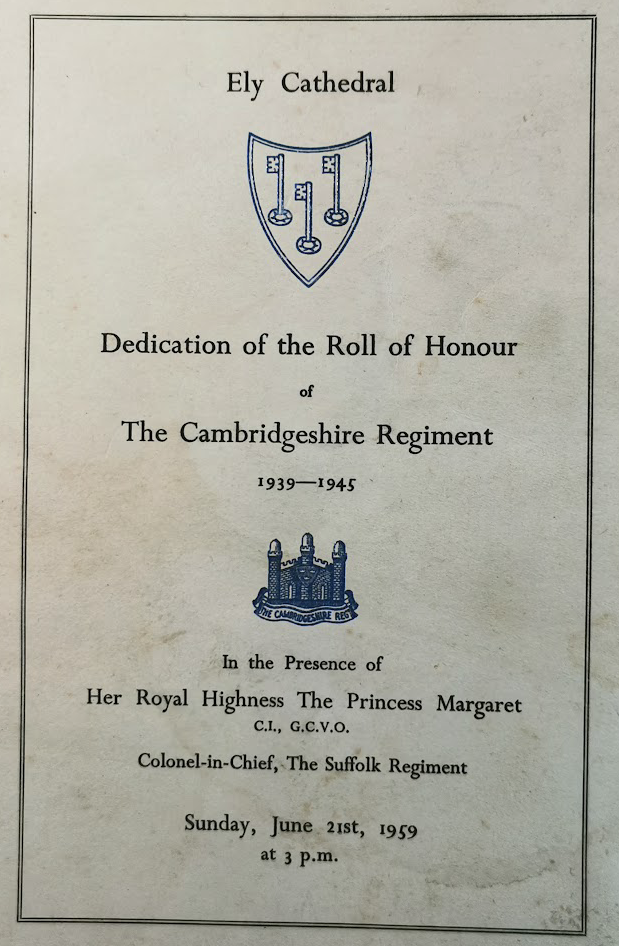
Ely Cathedral: Cambridgeshire Regiment Dedication Service 1959
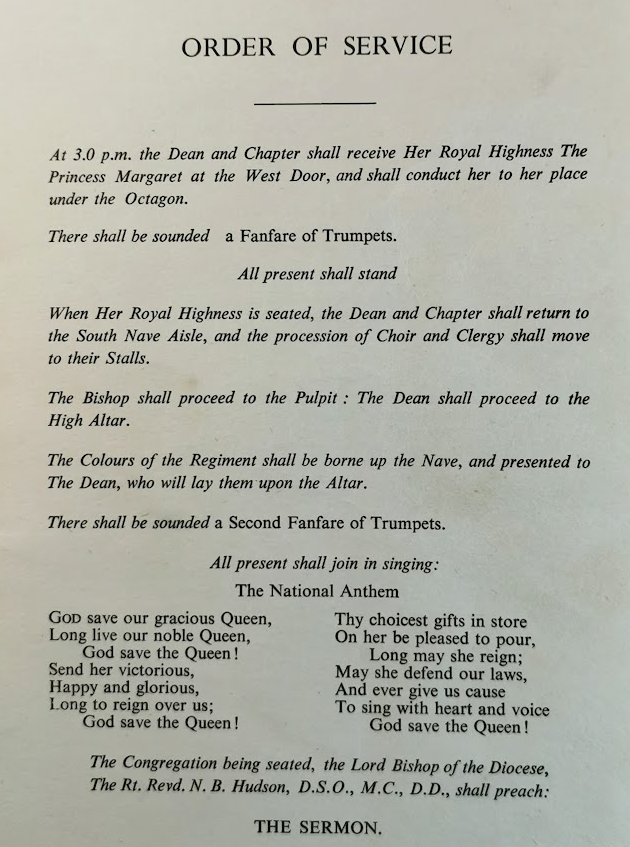
Ely Cathedral: Cambridgeshire Regiment Dedication Service 1959
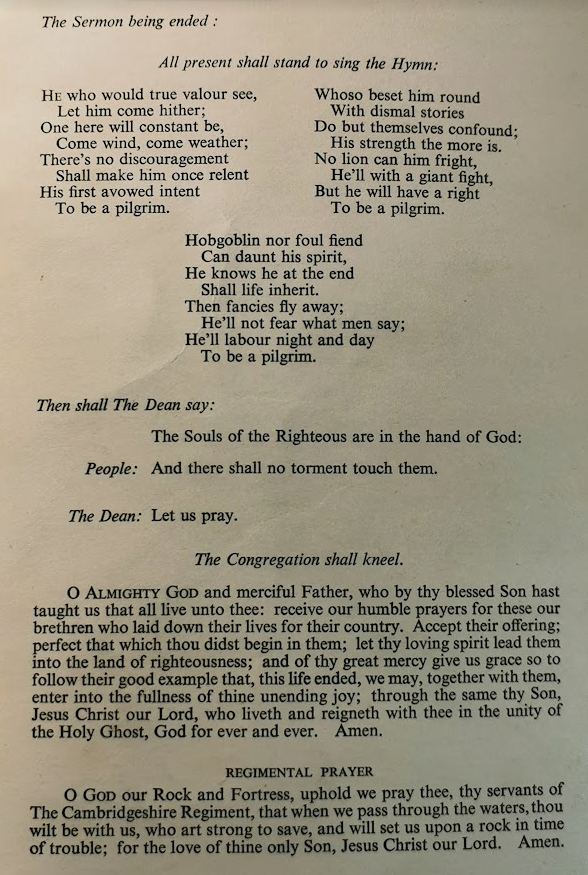
Ely Cathedral: Cambridgeshire Regiment Dedication Service 1959
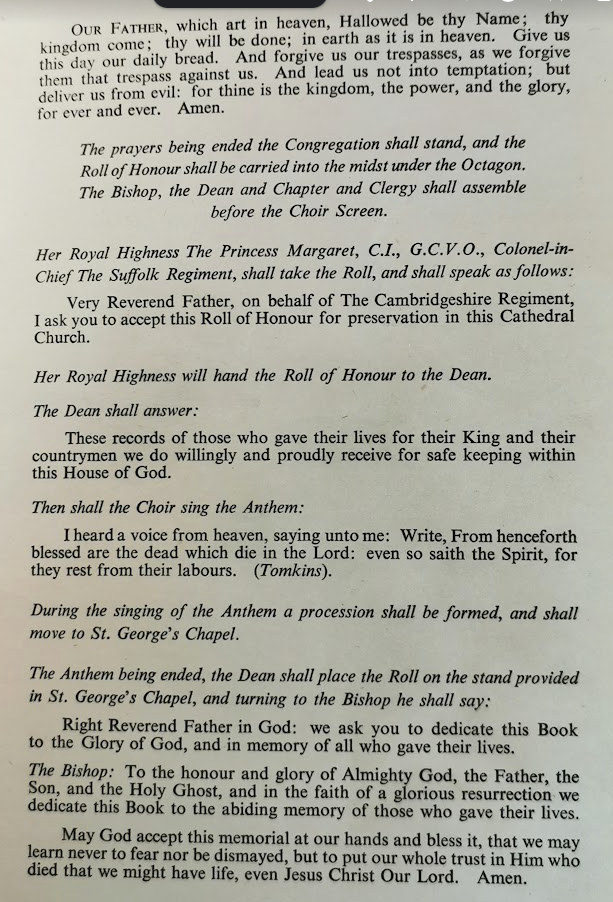
Ely Cathedral: Cambridgeshire Regiment Dedication Service 1959
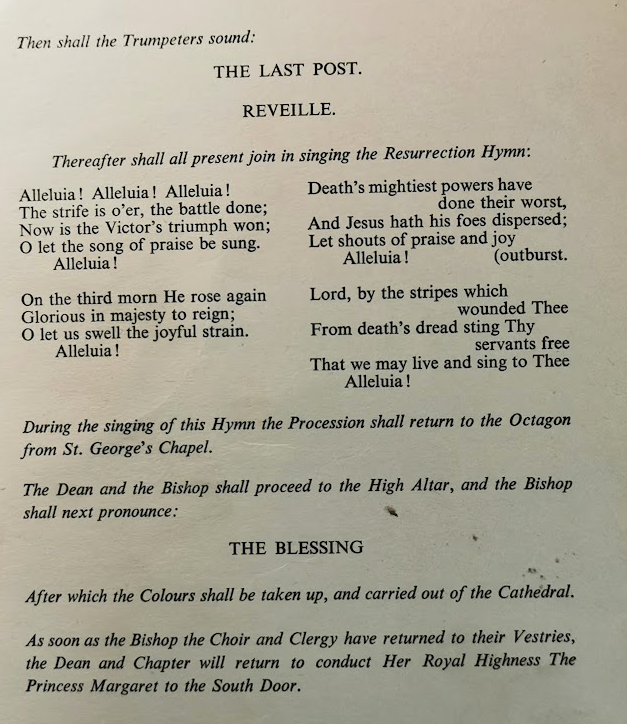
Ely Cathedral: Cambridgeshire Regiment Dedication Service 1959
Additional reports and publications:
Royal Archaeological Institute: Summer Meeting 1967: Ely, The Monastic Buildings South of the Cloister by P A Faulkner
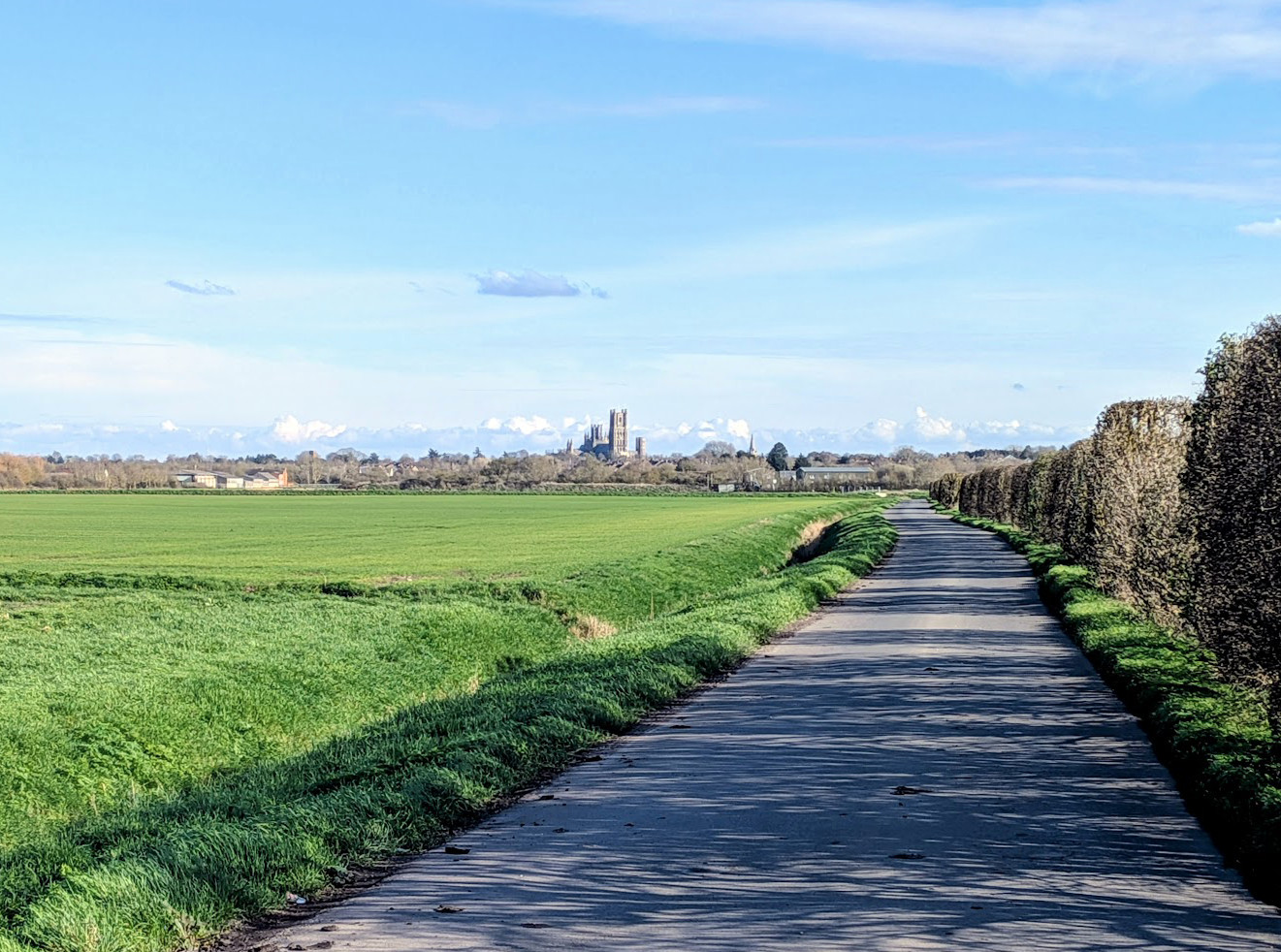
Ely Cathedral from Coveney (RGL2026)
Sources
- BBC
- Journal
- Museum of Cambridge
- Newspaper
- Photographs
- Postcard
- Video
Projects
Contribute
Do you have any information about the people or places in this article? If so, then please let us know using the Contact page or by emailing capturingcambridge@
Licence
This work is licensed under CC BY-NC-SA 4.0